
TestRX Ingredients and How It Works
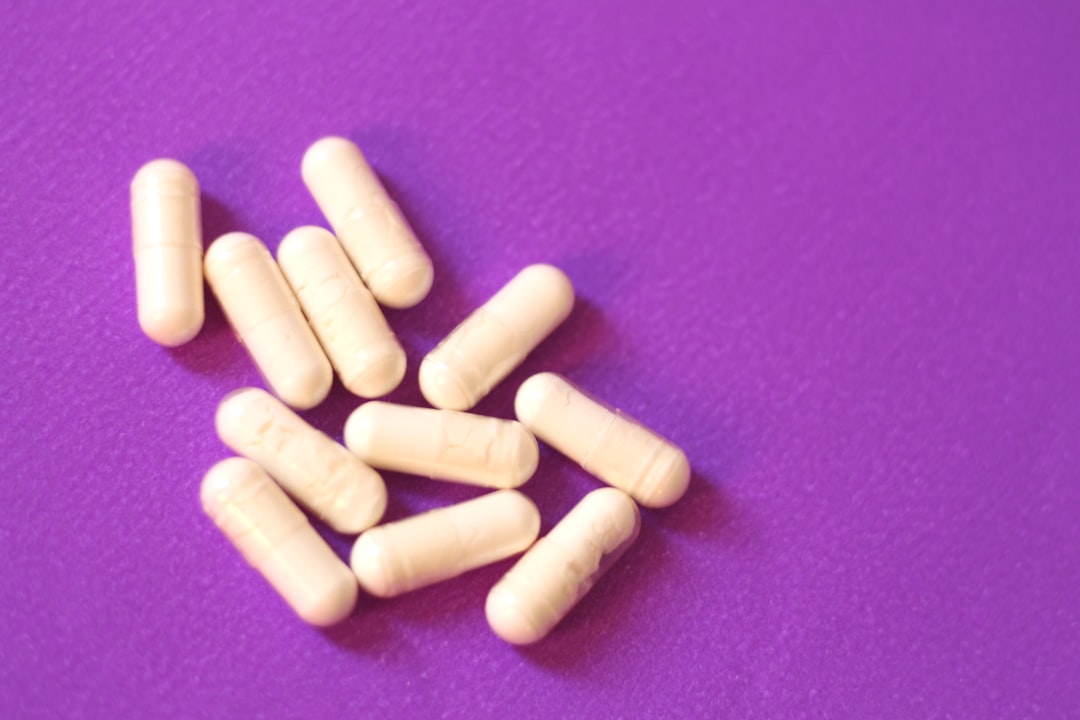
TestRX fully discloses its exact ingredient amounts rather than hiding behind a proprietary blend, and understanding what each ingredient actually does — separate from marketing exaggeration — gives a clearer picture of the formula.
Quick Solution
- Recognize the full disclosure of ingredient amounts as a genuine positive
- Understand ZMA's actual, more modest research support versus marketing claims
- Know D-aspartic acid's bold percentage claims trace to one small, older study
- Consider the vitamin D and K2 inclusion as addressing common deficiencies
The Core Ingredients, Honestly Explained
- • ZMA (zinc, magnesium, vitamin B6) — supports testosterone and sleep quality
- • D-Aspartic Acid — an amino acid involved in testosterone-related hormone signaling
- • Fenugreek extract — traditionally used and studied for testosterone and libido support
- • Vitamin D3 — addresses a common deficiency linked to lower testosterone
- • Vitamin K2 — works alongside vitamin D3 for calcium and bone-related processes
Why Does Full Disclosure Actually Matter Here?
Unlike products using an undisclosed "proprietary blend," TestRX lists specific amounts for each ingredient, which is a genuinely verifiable, checkable positive.
This transparency lets you independently research whether each specific dosage matches what's used in the underlying studies for that ingredient.
This doesn't automatically mean every ingredient works exactly as marketed, but it does mean you can evaluate the formula honestly rather than guessing.
Treating this transparency as a genuine positive, while still evaluating each ingredient's actual evidence separately, is the most accurate approach.
What Does the Research Actually Show for ZMA and D-Aspartic Acid?
The often-cited ZMA study on NCAA football players has documented methodological criticisms and hasn't been consistently replicated in independent research since.
D-aspartic acid's frequently repeated "42% increase in 12 days" claim traces to one small, older study that has faced significant criticism for limited replication and overgeneralization.
This doesn't mean these ingredients do nothing — zinc, magnesium, and amino acids like D-aspartic acid do have legitimate roles in hormone-related processes generally.
It means treating the bold specific percentages with real skepticism, rather than repeating them as established fact, gives a more accurate picture.
What Do Fenugreek and the Vitamin Components Actually Add?
Fenugreek has a long traditional use history and some modern research support for testosterone and libido, though effect sizes vary across different studies.
Vitamin D3 addresses a genuinely common deficiency, particularly relevant since low vitamin D has documented associations with lower testosterone levels.
Vitamin K2's inclusion alongside D3 reflects general nutritional science about how these two vitamins work together for calcium regulation, though this is more of a general health inclusion than testosterone-specific.
Overall, the formula reflects reasonable, research-informed ingredient choices, even where individual marketing claims overstate the underlying evidence.
When Should You Talk to a Doctor Instead?
Supplements aren't automatically safe for everyone, even when ingredients are generally well-tolerated on their own.
It's worth checking with a healthcare provider first if:
- You're currently taking prescription medication, especially for blood pressure or heart conditions
- You have an existing heart, liver, or kidney condition
- Persistently low energy or low libido is affecting your relationship or wellbeing
- You've had adverse reactions to similar ingredients before
Solution Table
Problem
Possible Cause
Solution
Wondering if full disclosure means it definitely works
Transparency and effectiveness are separate questions
Evaluate each ingredient's actual evidence independently
Wondering if fenugreek is well-supported
Some research support exists, with varying effect sizes
Treat it as reasonably supported, not definitively proven
Believing the '42% in 12 days' claim as fact
Traces to one small, older, unreplicated study
Treat this as marketing framing of limited early research
Unsure if the ZMA study is solid science
Documented methodological criticisms exist
Understand this as a debated, not settled, piece of research
Curious why vitamin K2 is included
Works alongside D3 for general calcium regulation
Understand this as a general health inclusion, not testosterone-specific
Common Mistakes When Evaluating This Formula
A common mistake is treating full ingredient disclosure as proof the product definitely works as marketed.
Another mistake is repeating the '42% in 12 days' figure as established fact rather than one small study's specific finding.
Not recognizing the documented criticisms of the ZMA football study can lead to overconfidence in that specific evidence.
Assuming every included ingredient is testosterone-specific overlooks that some, like vitamin K2, serve a more general health purpose.
If you want to evaluate this formula rigorously, checking each ingredient's actual research independently is more useful than trusting the marketing summary alone.
TestRX Ingredients and How It Works
Why does full ingredient disclosure matter?
It lets you independently verify whether dosages match what's used in the underlying research, unlike a hidden proprietary blend.
Is the ZMA football player study solid evidence?
It has documented methodological criticisms and hasn't been consistently replicated independently.
Why is vitamin K2 included?
It works alongside vitamin D3 for general calcium regulation, more of a general health inclusion than testosterone-specific.
Conclusion
TestRX's full ingredient disclosure is a genuine positive, and its components reflect reasonable, research-informed choices, even where specific marketing percentages overstate the underlying evidence.
Evaluating each ingredient's actual evidence honestly, rather than accepting bold claims at face value, gives the clearest overall picture of this formula.
Related posts:
 VigRX Plus Ingredients, Dosage, and Clinical Trial
 4Based Referral Program How It Works for Creators
 Brain Pill Ingredients, Dosage, and Clinical Evidence
 TestRX Ingredients Explained
 Savage Grow Plus Real Ingredients Breakdown
 TestRX ZMA and D-Aspartic Acid Benefits for Men Over 40
 Best TestRX Alternative
 Where to Buy TestRX Safely
 Innerbody Labs Testosterone Support vs TestRX
 TestRX vs Other Testosterone Boosters
 FeelGood ED Treatment How the Online Prescription Process Works
 VR Porn That Works With The Handy
 Max Performer Ingredients and Dosage Explained
ai companion voice switch featureai voice chatbrowser rpg gamescam site temporary deactivationcreate your own vibration patternfanvuefree adult browser gameshow testrx workshow tips work fan platform livekidney liver supplement processingpovr worth itsemenax guarantee termssex toy store charge appears assound activated vibratorsupplement ingredient reformulation disclosuretestosterone and voice deepeningtestosterone booster vs exercisetestrx formula explainedtestrx ingredientstestrx refund policy