
How VR Headset Lens Fogging Actually Happens and How to Prevent It
This common issue genuinely occurs when warm breath or body heat meets a cooler lens surface, creating condensation, a well-understood physical process worth understanding alongside practical, genuine steps that can help reduce this occurrence.
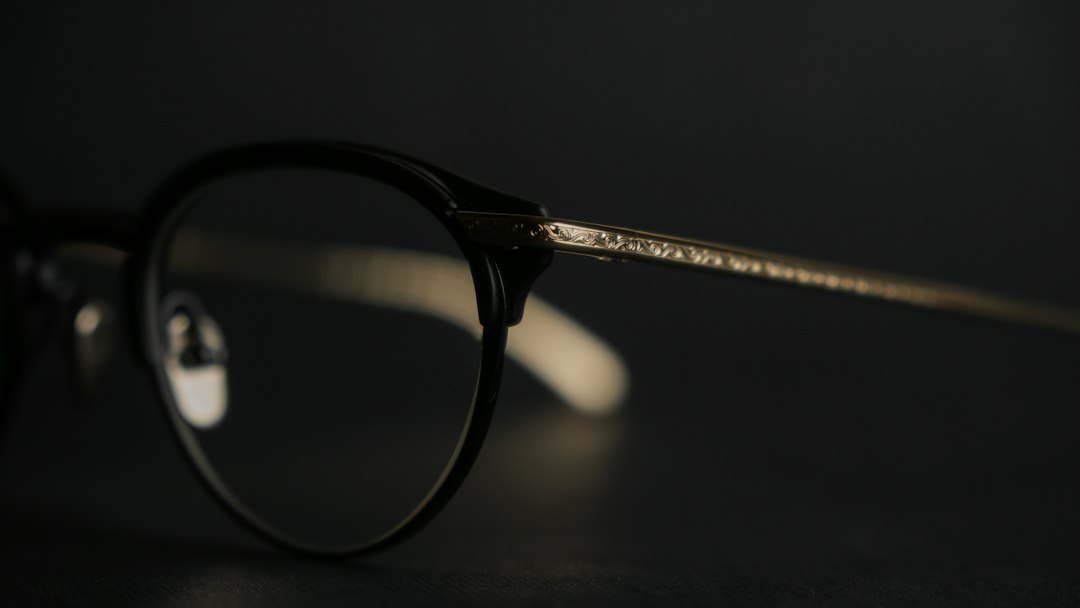
Quick Solution
- Understand this as condensation from warm breath or body heat
- Recognize this occurring when this warmth meets a cooler lens surface
- Consider anti-fog products designed specifically for this purpose
- Know proper ventilation and fit can genuinely help reduce this issue
What Genuinely Causes This and What Actually Helps
- • Warm breath or body heat meeting a genuinely cooler lens surface
- • This creating actual condensation, the genuine physical cause of this issue
- • Anti-fog products specifically designed to help address this common concern
- • Proper headset fit and ventilation genuinely helping reduce this occurrence
- • Room temperature and humidity as additional genuine contributing factors
What Actually Causes This Common Issue at a Physical Level?
This issue occurs through a genuine, well-understood physical process: warm breath or body heat meets the cooler surface of a headset's lens, causing water vapor to condense into visible fog.
This is the same basic physical principle behind fogging on glasses or any other surface where warm, moist air meets a cooler material, not unique to this specific technology.
Understanding this genuine underlying cause helps explain why certain conditions — like a warmer room or more vigorous physical activity during use — can make this issue more likely to occur.
This same understanding applies to addressing this common issue on any headset experiencing this particular concern.
How Might Anti-Fog Products Genuinely Help Address This Issue?
Products specifically designed to prevent this kind of fogging, similar to those used for glasses or swim goggles, work by altering how water vapor interacts with the lens surface, reducing visible condensation.
Checking that any specific product is genuinely safe for your headset's particular lens material, rather than assuming any anti-fog product is universally appropriate, matters before applying this kind of solution.
This same principle — checking material compatibility before applying any product — applies to using this kind of solution safely on any specific headset.
This same understanding — a genuine product category designed specifically for this common issue — gives you a practical option worth considering.
Why Do Proper Fit and Room Conditions Also Genuinely Matter Here?
A properly fitted headset, minimizing unnecessary gaps where warm air can accumulate against the lens, can genuinely help reduce how quickly this condensation forms during use.
Room temperature and humidity represent additional genuine contributing factors, with a cooler, less humid environment generally reducing how readily this issue occurs.
This same principle — proper fit and room conditions as contributing factors — applies to managing this common issue for any specific headset and viewing environment.
This same combination — understanding the genuine cause, considering anti-fog products, and adjusting fit and room conditions — gives the most complete, practical approach to this common issue.
How Do You Keep This Enjoyable and Balanced?
VR porn is meant to be a fun, immersive form of entertainment, and it's worth checking in occasionally on how this specific habit fits into your broader routine.
It may be worth reflecting on your approach if:
- You're spending significantly more time or money than you originally intended
- Viewing sessions are consistently cutting into sleep or other responsibilities
- You're chasing more intense content to recapture an earlier level of excitement
- The habit starts feeling more compulsive than genuinely enjoyable
Solution Table
Problem
Possible Cause
Solution
Experienced visible fog forming on your headset's lens
Warm breath or body heat meeting a cooler lens surface
Understand this as the genuine, well-understood physical cause
Headset fit loosely with gaps around the lens area
Can allow warm air to accumulate and contribute to this issue
Ensure a properly fitted headset to help reduce this occurrence
Wanted a product specifically designed for this issue
Anti-fog products work by altering vapor interaction with the surface
Consider this kind of product, checking material compatibility first
Applied a product without checking lens material compatibility
Some products may not suit every specific lens material
Verify this compatibility before applying any specific product
Noticed this issue worse in a warmer room
Room temperature and humidity are genuine contributing factors
Consider adjusting your physical environment where possible
Common Mistakes When Dealing With This Common Issue
A common mistake is applying an anti-fog product without checking its compatibility with your specific lens material.
Another mistake is not considering room temperature and humidity as genuine contributing factors.
Overlooking proper headset fit can mean missing a practical way to reduce this common issue.
Assuming this issue reflects a headset malfunction, rather than a well-understood physical process, misunderstands its genuine cause.
If experiencing this common issue, considering an anti-fog product alongside proper fit and room conditions is more useful than assuming nothing can be done about it.
How VR Headset Lens Fogging Actually Happens and How to Prevent It
What actually causes this common issue?
Warm breath or body heat meeting a cooler lens surface, causing condensation.
Can anti-fog products genuinely help?
Yes, though checking lens material compatibility first matters.
Does room temperature affect this issue?
Yes, a cooler, less humid environment generally reduces how readily this occurs.
Conclusion
This common issue genuinely occurs when warm breath or body heat meets a cooler lens surface, causing condensation, a well-understood physical process affecting many similar surfaces.
Considering anti-fog products designed for this purpose, alongside proper fit and room conditions, gives a practical, complete approach to reducing this common occurrence.
Related posts:
 Testosterone Boosters and Alcohol What Actually Happens When Combined
 How to Clean and Maintain Your VR Headset for Regular Use
 How to Tell If a VR Headset’s ‘8K’ Resolution Claim Is Actually Misleading
 What Happens to Your AI Companion If the Company Shuts Down
 How to Actually Extend Battery Life During Longer VR Sessions
 How to Use a VR Headset Discreetly in a Shared Household
 How VR Headset Hand Tracking Actually Works and Its Current Limitations
 How VR Headset Passthrough Mode Actually Works and Its Privacy Implications
 Best VR Porn for Pico Headset Users
 How to Calibrate Your Headset’s IPD for the Sharpest VR Porn Image
 VR Headset Comfort for Long Viewing Sessions
 Best VR Headset Face Cushion Replacements for Hygiene and Comfort
 What Happens to Your Data When You Delete an AI Companion App
budget vr porn subscriptioncam site income tax reportingcam site loyalty programcasual dating apps womencontent format platform comparisonfan platform content moderation processhow to cancel an adult vod subscription safelymale enhancement diabetic menmale signs of love behaviorno minimum token cam siteprevent vr headset fogsex toy retailer age verificationteamskeet networktestrx dosagetestrx official sitetest vr porn before subscribingtoy manufacturing country standardsvigrx plus discountvr headset lens foggingvr lens condensation fix